Gender and social inclusion analysis is critical to achieving desired development outcomes: increased production, improved outcomes for poverty alleviation, increased wellbeing for all, and a fairer distribution of burdens and benefits in agriculture among women and men.
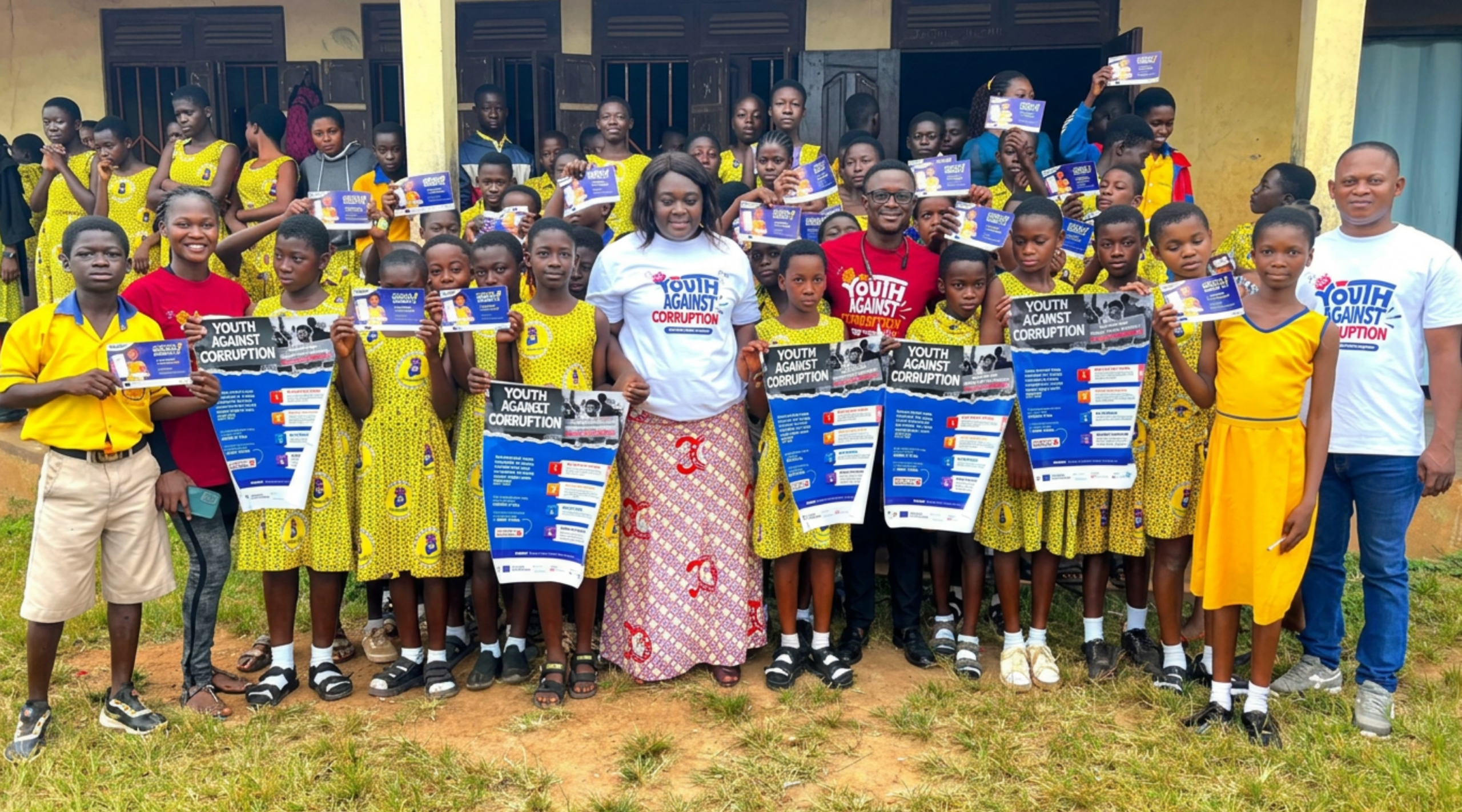
This is achieved by empowering citizens on their roles and responsibilities in local government so they can actively participate in decision-making and advocate for their rights from duty-bearers. Workshops and engagement with policymakers, traditional and religious leaders empower vulnerable groups — women, youth, people living with disabilities, minority groups, and marginalized communities — and have contributed significantly to improving the rights and dignity of the vulnerable in society.